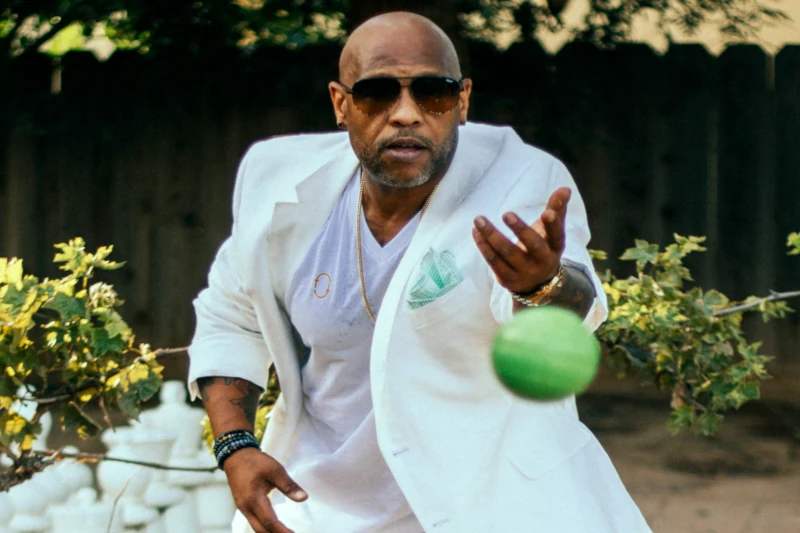
There is a game in France that’s quietly woven into the fabric of everyday life. It’s not football or rugby, even though those are deeply loved here. No, this game is played in nearly every village, by people of all ages.
It’s called pétanque, and here at European Waterways we’d argue it’s France’s real national sport. Because unlike football or rugby, pétanque isn’t just for spectators watching professionals on a screen. It’s for everyone of any age or ability.
A Game Born of Necessity
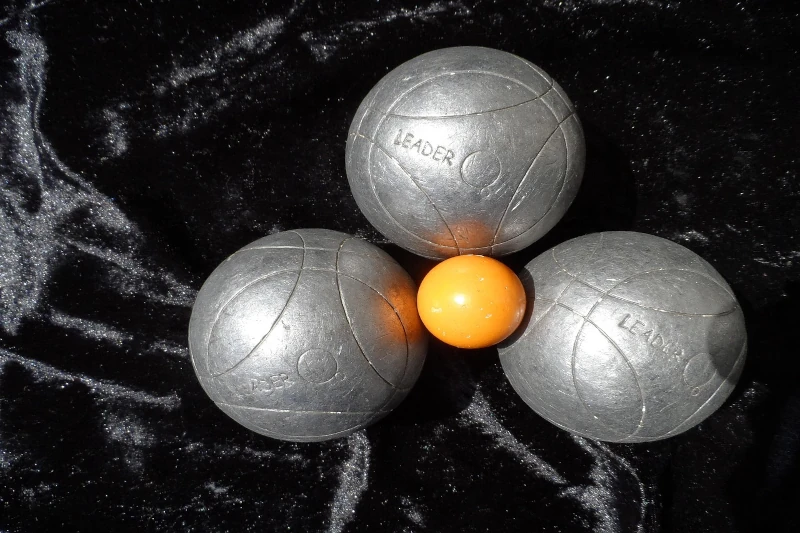
Pétanque has unique origins. Its roots go all the way back to ancient Egypt and Greece, eventually evolving into a French game known as boules. The goal is simple: toss or roll a heavy ball (the boule) as close as possible to a small target ball, often called the jack.
In the 19th century, Provence saw the rise of a version called jeu provençal, where players ran three steps before launching their ball. But the birth of petanque came from an unexpected place: rheumatism.
A passionate jeu provençal player could no longer manage the run-up due to his condition. His friend, Ernest Pitiot, shortened the pitch and changed the rules: players would now throw from a stationary position, with their feet firmly planted. This gave rise to the name pieds tanqués, or “feet planted”, which eventually became pétanque.
The Simplicity of the Game
Originally played with wooden balls, pétanque evolved further thanks to the Industrial Revolution. Metal boules became the standard and the game’s popularity exploded, first across France, then across Europe and beyond.
The beauty of pétanque lies in its simplicity:
No need for fancy gear.
No athletic prowess is required.
Just a few metal balls and a patch of ground.
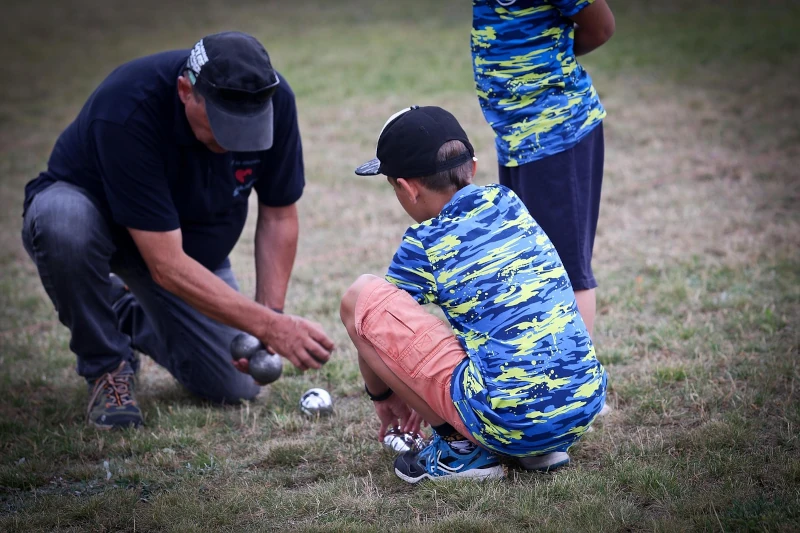
Because there’s no running, anyone can play – young or old, male or female, athletic or not. That inclusivity is a big reason for its enduring popularity.
The Rules of the Game
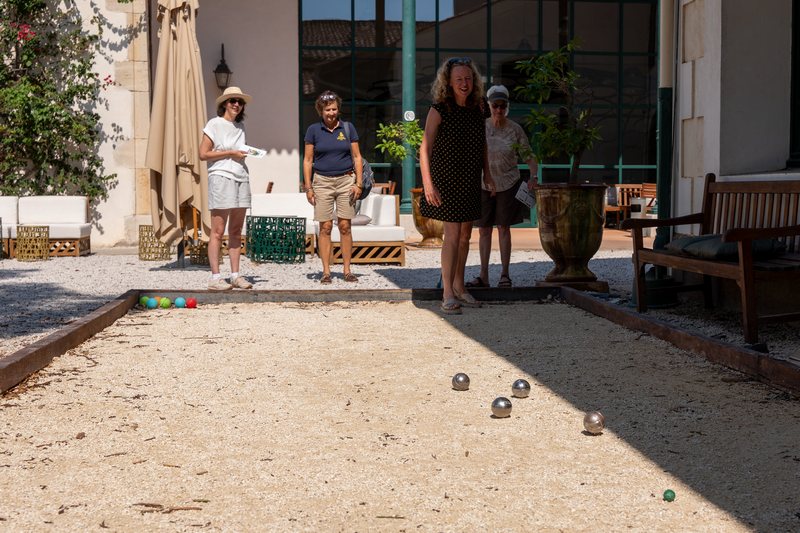
Typically, a pitch or terrain is 12m long, but this could vary depending on how informal the game. 2 or 4 players have 3 metal balls each (the balls are called boules in French). A coin is tossed to determine which individual or team goes first. The starting team draws a circle at one end of the pitch. Standing in this circle, the first player tosses the jack, a small usually wooden ball, to land about 6 to 10m away at the other end of the pitch.
The second player, from the other team, now stands in the circle and throws the first boule. The intent is to get it as close to the jack as possible. Then it is the turn of the first team to throw their boule, with the intent to get closer to the jack than their opponent. This can be done by ending up closer or knocking their opponent’s boule further away. The team that does not have the closest ball to the jack keeps throwing until they are closer or have run out of balls.
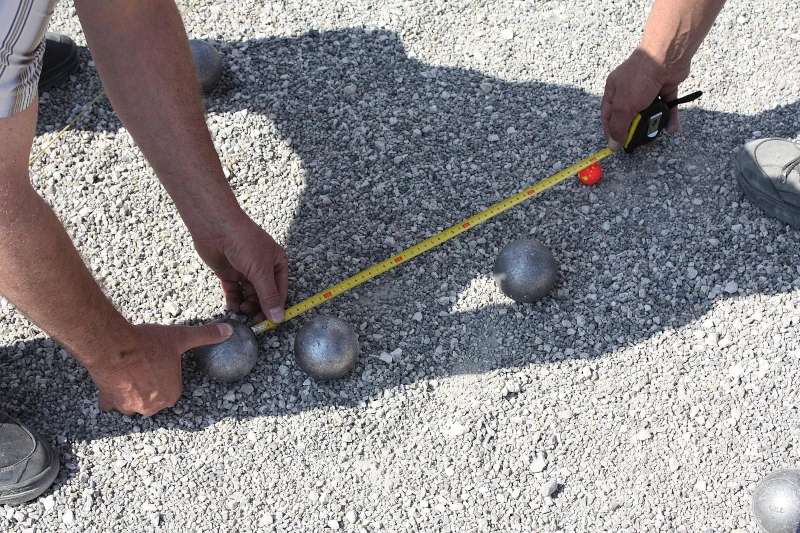
When all team players have thrown all their boules the game is at an ‘end’. The team with the closest ball to the jack counts up their points. 1 point for each of their own balls closer to the jack than the other team’s closest ball. The team that won the previous ‘end’ starts the next game. A running score of points is kept until a team reaches 13 points.
A Game by Any Other Name
When people hear the basic rules of pétanque there is often the question – is Pétanque the same as … ?
Pétanque stems from boules. The term boules refers to the game in France (and a run up to the throw versus Pétanque’s standing still), whilst bocce is the game in Italy and bowls in the UK. Italy’s bocce can also be separated in bocce volo, like boules you run up to the throw, versus simply bocce. In the latter, the balls are rolled not thrown and they are made of wood or plastic instead of metal.
Boules also morphed into softball and baseball in the USA, as well as possibly cricket in the UK though via their version of boules called bowls.
A Snapshot of Village Life
If you visit any French village, you will find a rectangular patch of gravel or dirt, usually near the Mairie (town hall), the village square, or the park. Sometimes there are just one or two lanes. Other times, there’s a whole area with multiple pitches for group play.
There’s always a local pétanque club, and anyone can join. Gatherings are regular and relaxed. You don’t just play the game, you get news, share jokes, debate and simply enjoy the rhythm of life in rural France.
Pétanque is more than a sport; it’s a social ritual. It welcomes everyone and brings people together. Unlike many other activities, it doesn’t divide by age, gender, or experience. It’s as suited to a family picnic as it is to a championship tournament.
Try Whilst On Board
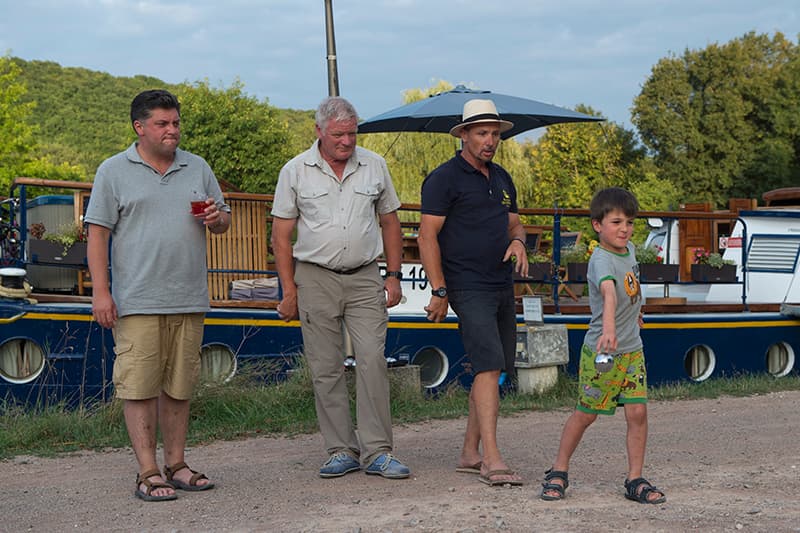
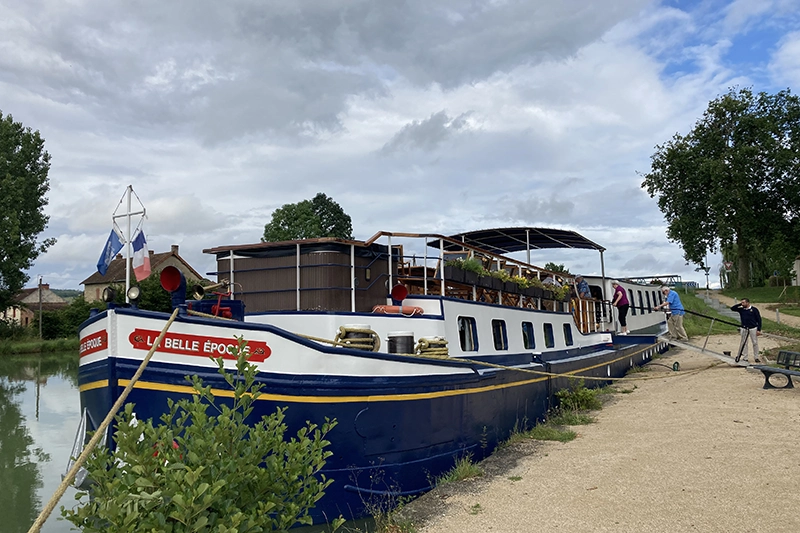
If you really want to understand life in France, enjoy a pétanque game as your boat stops for the night near a local village. Join in with locals or play with your fellow bargers or even the crew. You’ll find a set of petanque boules and jack on board each boat in France.
Take part in the banter, feel the camaraderie and let yourself be drawn into a tradition that’s as much about people as it is about points.
Join us on a hotel barge in France by Contacting Us.
 English
 Spanish
 French
 German
 Norwegian
 Portuguese
 Swedish
 Italian
 Russian
 Simplified Chinese
 Japanese